
Gold Price Chart – 20 Years of Price Development
Over the past 20 years, the gold price chart has moved significantly upward, and investors in this precious metal could celebrate for most of the period. Let us now take a look at how the gold price has developed over 20 years and the key events that explain where gold stands today.
Gold Price Chart – 20 Years in One Place
Gold price by weight
Gold price by year
Gold rate for the period
GOLDEN BULLS FOR PROFITABLE INVESTMENTS TODAY IN VIEW OF RISING PRICES
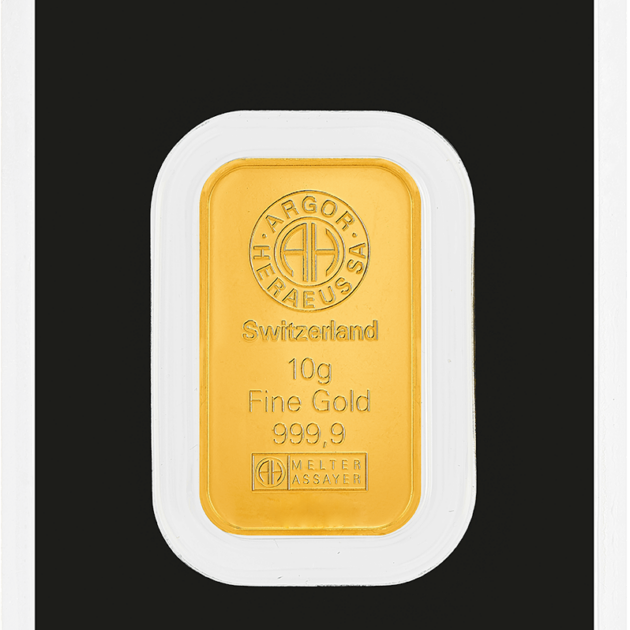
-
- Fine gold999.9
- Weight10 grams
- ProducerArgor-Heraeus
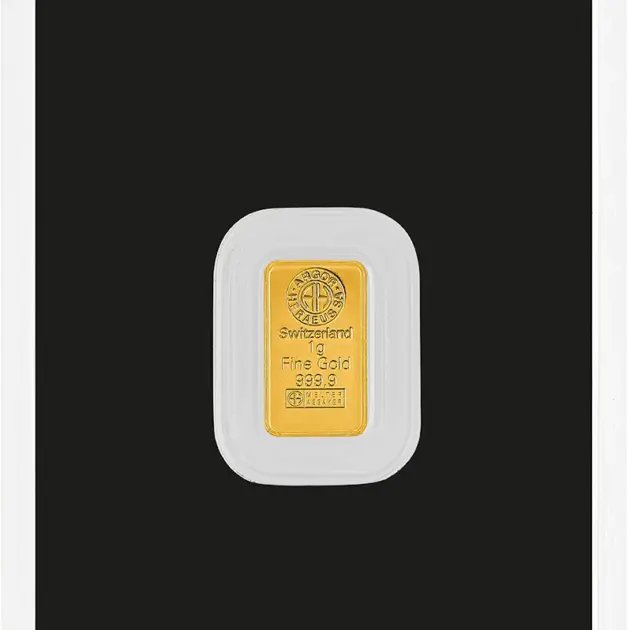
-
- Fine gold999.9
- Weight1 gram
- ProducerArgor-Heraeus
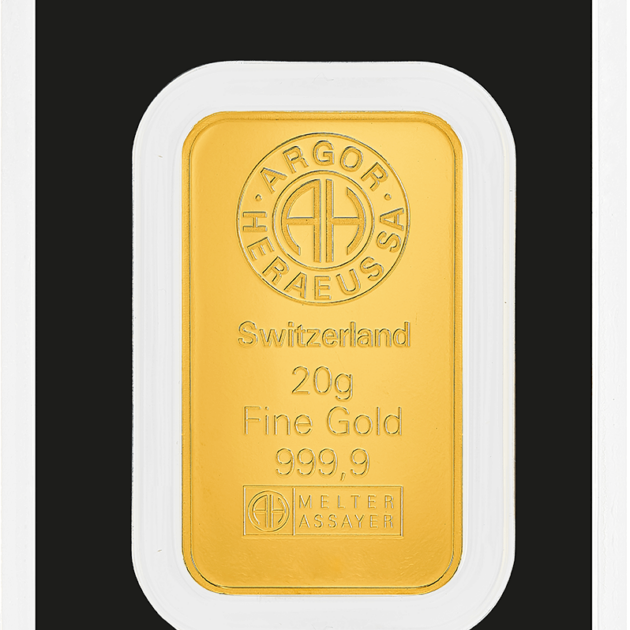
-
- Fine gold999.9
- Weight20 grams
- ProducerArgor-Heraeus
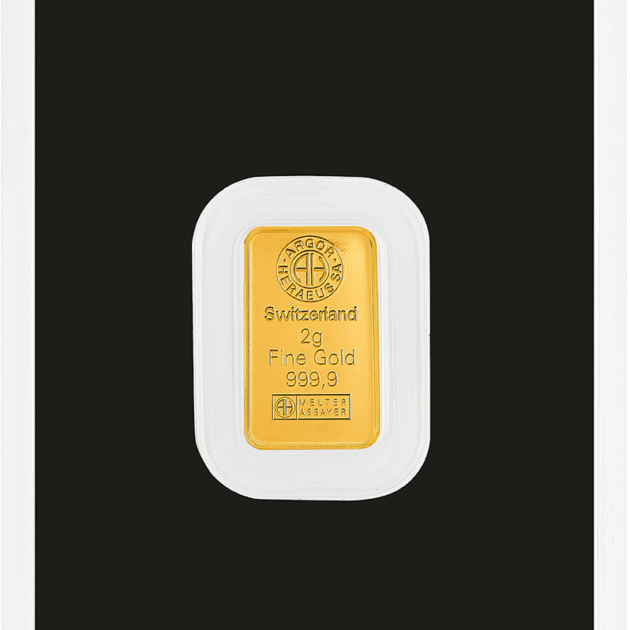
-
- Fine gold999.9
- Weight2 grams
- ProducerArgor-Heraeus
-
- Fine gold999.9
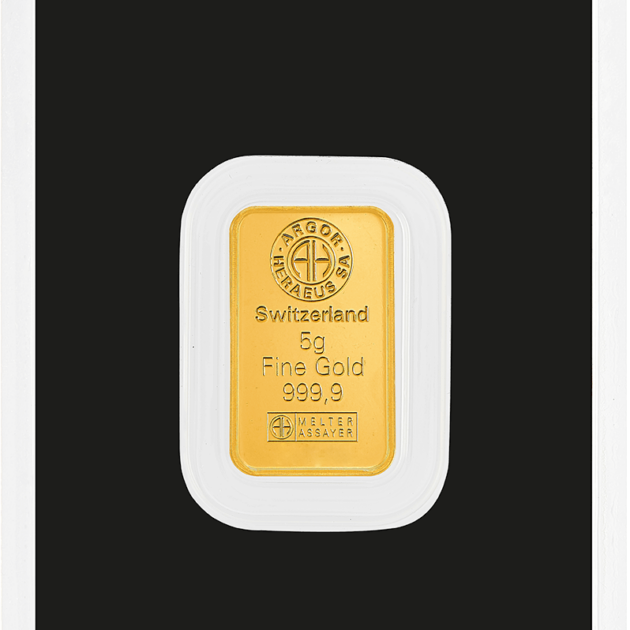
- Weight5 grams
- ProducerArgor-Heraeus
On this page, you will primarily find the development of gold prices over 20 years in an interactive chart, which you can explore and navigate yourself.
The gold price chart over 20 years has changed enormously — from price levels around 650 USD per ounce on April 1, 2006, it currently stands at an incredible level of approximately 4,700 USD per ounce.
On the chart, you will also be able to switch between currencies. For Czech investors, it may be beneficial to view the gold price in Czech koruna, which can then be compared with individual investment bars on the Czech market. However, since gold prices are generally expressed in US dollars, this currency is also available on our chart.
Key Events on the Gold Chart – 20-Year History
The following overview provides a detailed mapping of the most important moments on the timeline that shaped today’s gold market and its price over the past 20 years.
2006–2007: Stable growth and the beginning of the crisis
During this period, gold was just emerging from a long-term stagnation. The price gradually increased from around 500 USD to approximately 800 USD per troy ounce. The global economy was growing, but the market had already begun to notice the first cracks in the mortgage sector.
Investors and mutual funds started shifting their capital into safer assets. Market risks were quietly increasing, and interest rates began to fluctuate. Gold was therefore steadily gaining strength ahead of the approaching crisis, although at that time few understood its potential magnitude.
2008–2011: Global financial crisis and fears about financial system stability
The collapse of Lehman Brothers in 2008 initially triggered a shock sell-off of virtually all assets, including gold. It was a time of extreme panic when investors desperately needed liquidity to cover massive losses in equities.
This panic soon forced central banks to take unprecedented rescue measures. They began printing money on a massive scale and reducing interest rates all the way to zero. Fear of systemic collapse and hyperinflation drove gold to a then-record level of around 1,920 USD in September 2011.
2012–2018: Bear market and strong US dollar
The feared collapse never occurred, and the global economy gradually began to recover. The US Federal Reserve slowly ended its bond-buying programs, which led to a strong appreciation of the dollar. Gold suddenly lost its main growth driver and began to weaken.
Investors and speculators once again preferred continuously rising stock markets. By the end of 2015, the price of gold fell below 1,100 USD. This was followed by a long and for many very exhausting period of stagnation, during which the chart moved mostly sideways. Over this period, gold did not make significant progress.
2019–2021: COVID-19 pandemic and massive stimulus measures
Uncertainty surrounding Brexit and the trade war between the United States and China brought gold back to moderate growth. However, the real shock came with the pandemic in spring 2020. The shutdown of economies triggered unprecedented fear, chaos, and panic sell-offs in markets.
The crisis forced governments to inject additional trillions of dollars into the economy. Interest rates once again fell sharply to zero. Due to these extreme measures, gold surpassed the psychological level of 2,000 USD for the first time in history in August 2020.
2022–2023: Inflation shock and the war in Ukraine
The severe consequences of pandemic-era money printing materialized in the form of the highest inflation in decades. In February 2022, the Russian invasion of Ukraine added a major geopolitical shock and sharply increased the prices of key commodities such as oil.
Central banks responded quickly by aggressively raising interest rates, which would normally push gold prices down. However, fears of escalation and visible efforts by Eastern countries to move away from the US dollar kept gold prices relatively stable around 2,000 USD.
2024–2026: Central bank purchases and market uncertainty
This dynamic period completely and decisively rewrote historical records. Massive purchases by central banks, new tariffs introduced by Donald Trump, and eventually the current military conflict directed against Iran created extreme nervousness in the markets. As a result, gold prices rose sharply and relentlessly.
The peak in January 2026 shocked the financial world. The price confidently broke all psychological barriers, easily exceeded 5,000 USD, and reached a breathtaking historical maximum approaching 5,600 USD per ounce.
At the time of writing this text (April 2026), the gold chart still remains close to the 5,000 USD level. This high price reflects the current fragile global order, which appears to be the least predictable in several decades.
The past 20 years therefore deliver a clear message — even with the arrival of breakthrough technologies, geopolitical changes, and shifts in the investment landscape, gold continues to maintain its value. Investors still perceive it as a safe haven for capital in times of uncertainty and during tense and often unfavorable global events.
Trend Analysis and Conclusions for Investors
Gold continues to confirm its role as a reliable store of value over the long term. For Czech investors, not only the global price of gold is important, but also the exchange rate of the domestic currency against the US dollar, in which gold is traded.
The average annual return of gold in Czech koruna over the past 20 years is approximately 10%. This result significantly exceeds the long-term average inflation rate in the Czech Republic. Gold is therefore capable of preserving and increasing real wealth, even though it does not pay regular interest or dividends.
Comparison of Gold with Other Assets
When compared with other investments, gold offers unique characteristics. A typical investment portfolio usually consists of stocks, bonds, real estate, and cash. Broad stock indices historically deliver higher average returns of around 10%, but they also carry significantly higher volatility and risk.
Bonds have significantly underperformed both stocks and gold over the past two decades — their real return after inflation has often been negative. Long-term holding of cash has led to a substantial loss of purchasing power due to inflation.
The main conclusion from historical data is therefore clear. Gold is not primarily intended for rapid wealth accumulation, but rather serves as a defensive asset within a portfolio. It effectively reduces overall risk and volatility while protecting investors’ wealth against depreciation.
Frequently Asked Questions – Gold Price Chart 20 Years
