
Gold price chart 10 years — last 10 years gold price history
Gold price by weight
Gold price by year
Gold rate for the period
GOLDEN BULLS FOR PROFITABLE INVESTMENTS TODAY IN VIEW OF RISING PRICES
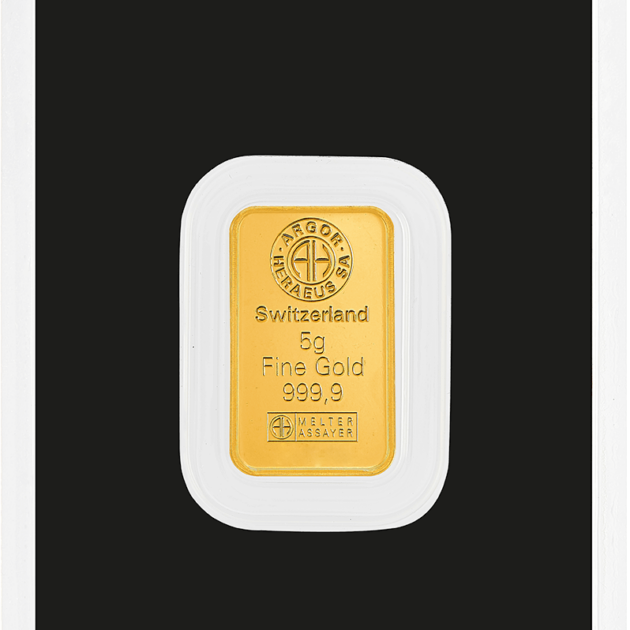
-
- Fine gold999.9
- Weight5 grams
- ProducerArgor-Heraeus
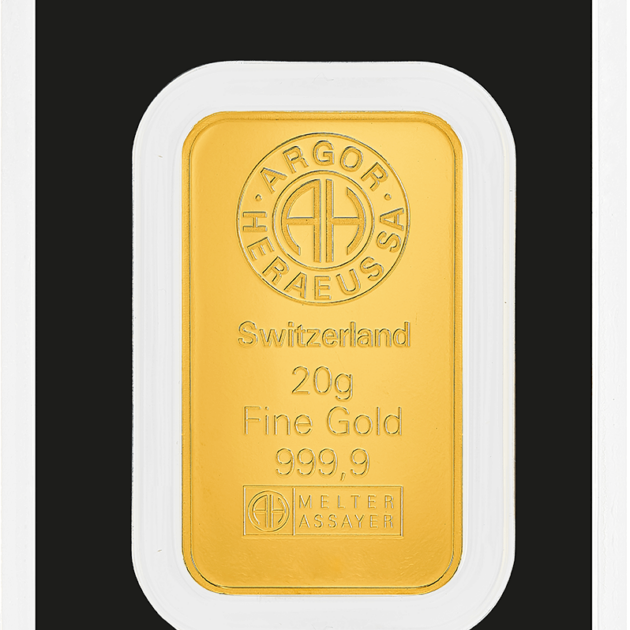
-
- Fine gold999.9
- Weight20 grams
- ProducerArgor-Heraeus
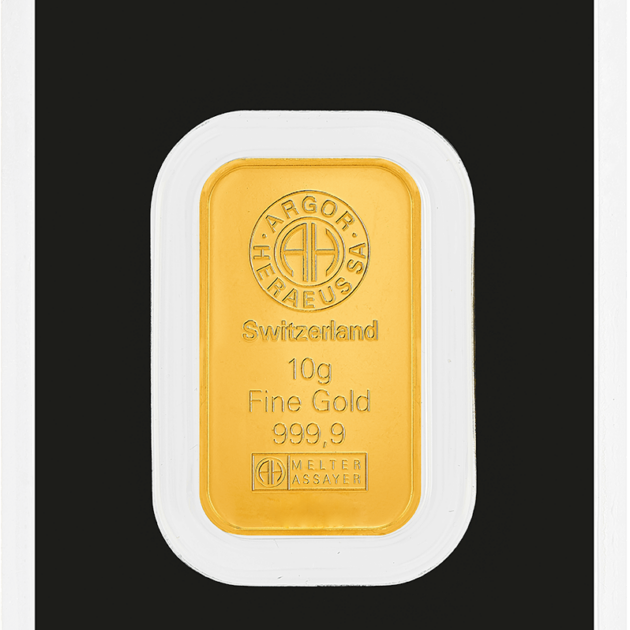
-
- Fine gold999.9
- Weight10 grams
- ProducerArgor-Heraeus
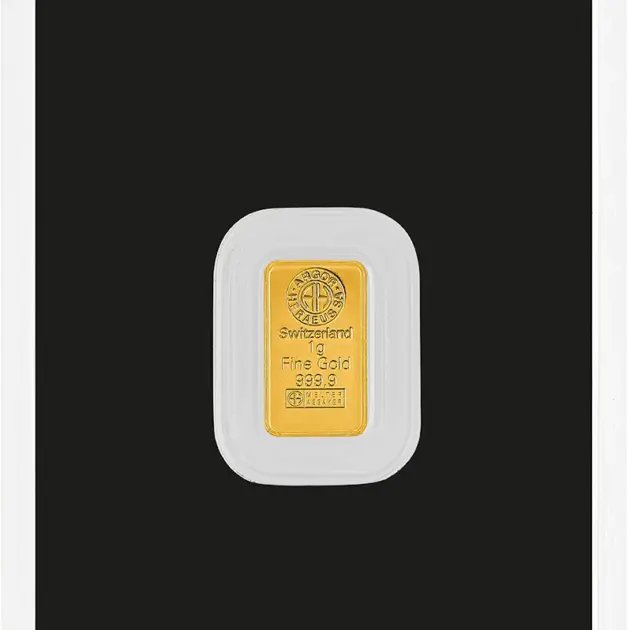
-
- Fine gold999.9
- Weight1 gram
- ProducerArgor-Heraeus
-
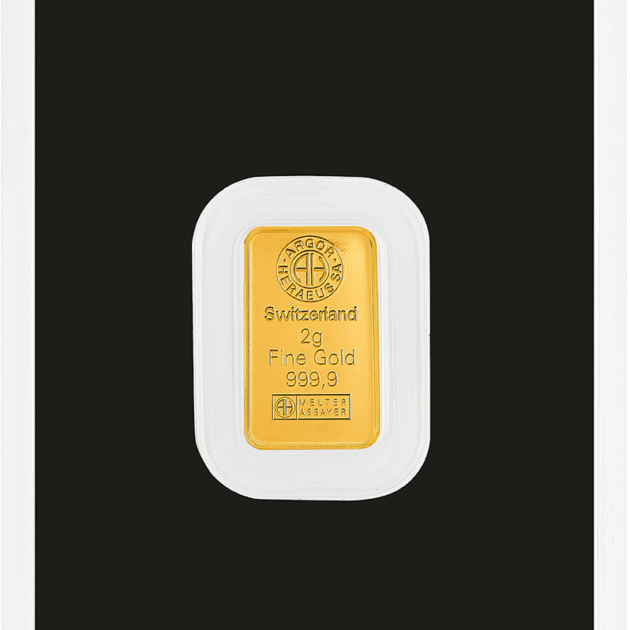
- Fine gold999.9
- Weight2 grams
- ProducerArgor-Heraeus
When you zoom out and look at gold over a full decade, the noise disappears. What’s left is the real story, how this asset behaves under pressure, during uncertainty, and across entire economic cycles. A 10-year view is where gold stops being “just a price” and starts looking like a strategy.
This page gives you that exact perspective. The gold price chart over the last 10 years is displayed in both USD and CZK, so you’re not just seeing the global market, you’re seeing how it actually translates for investors in the Czech Republic. Because in reality, the number that matters is not only what gold does globally, but what it does in your currency.
The data comes directly from the global spot gold market, the same benchmark used by banks, institutions, and professional investors. Every movement you see on the chart reflects real transactions happening across major exchanges.
Over shorter periods, gold can look unpredictable. But stretch the timeline to 10 years, and patterns begin to form. You start to see cycles, reactions to crises, periods of consolidation, and long-term growth. That’s exactly why this kind of chart is used to evaluate gold not as a trade, but as a long-term asset.
Gold Price Over the Last 10 Years — Key Trends
Look at the last decade of gold, and you’re not looking at a straight line. You’re looking at waves, driven by fear, policy decisions, currency shifts, and global events. But underneath those waves, there’s a clear direction.
Here’s how that story unfolded:
- 2015 — the reset point
After years of post-crisis momentum, gold cooled off. Prices reached a local bottom as the US dollar strengthened and markets regained confidence. This phase quietly set the foundation for the next cycle. - 2016–2019 — slow accumulation
Gold moved sideways with gradual upward pressure. Investors were positioning, not reacting. This is where long-term players started building exposure. - 2020 — the breakout
COVID-19 hit, markets panicked, and gold surged. Capital rushed into safe-haven assets, pushing prices to new highs. - 2021–2022 — correction and tension
After the spike, the market cooled again. Interest rate hikes, a stronger dollar, and tightening monetary policy created pressure. Gold pulled back, but it didn’t collapse. It held structure. - 2023–2025 — new highs and renewed demand
Inflation, geopolitical risks, and central bank buying pushed gold back into record territory. This time, the move was broader, more structural.
What becomes clear over time is simple. Gold reacts quickly in moments of crisis, but its real strength shows over longer horizons. Short-term charts can look chaotic. A gold price chart for the last 10 years tells a completely different story, one of resilience, recovery, and gradual growth.
When you compare that to other assets, especially those more sensitive to economic shocks, gold stands out. It holds value when everything else starts to crack.
Factors That Shaped the Gold Price in the Last 10 Years
If you strip away the chart lines and numbers, gold is really just reacting to pressure. Economic pressure, political pressure, currency pressure. And over the last 10 years chart, a few forces kept showing up again and again, quietly pushing the market higher.
Here’s what actually moved the gold price chart:
- Inflation
Over the past decade, rising inflation made investors look for something solid, something that doesn’t get printed overnight. That’s where gold wins. - Fed interest rates
When the Federal Reserve raises rates, gold often slows down. When rates drop or uncertainty rises, gold starts moving again. It’s a constant push and pull between yield and safety. - USD strength — the global anchor
Gold is priced in dollars, so when the USD gets stronger, gold often faces pressure. When the dollar weakens, gold becomes more attractive worldwide, and demand increases. - Geopolitics — the trigger moments
Conflicts, instability, uncertainty, every time something breaks globally, capital looks for protection. And gold is usually the first place it runs. - Czech National Bank and CZK movement — the local effect
Even if the global price stays stable, the gold price in CZK can still move. Because currency shifts change everything locally. A weaker crown can make gold more expensive without any change on the global chart.
Put all of this together, and the gold price history starts to make sense.
Track the full gold price chart for the past 10 years in one place, with both real-time updates and complete historical data at your fingertips. See how the price evolves in CZK and USD, spot trends, and understand the bigger picture without guesswork.
DealFin brings together live market data, clear visualization, and long-term analysis, so you’re not just watching the chart, you’re actually understanding it.
FAQ — Gold Price 10 Year Chart
