
Gold Price Chart 2020 – Price Development and Analysis
In 2020, gold experienced one of the most volatile periods in recent years. Due to the COVID-19 pandemic, many investors moved away from declining traditional markets into this precious metal, which has served for many years as a safe haven in times of uncertainty. And in this year, it proved its role.
On this page, you will find more detailed information and key factors that had the greatest impact on gold’s behavior during this year. You can also study in detail the chart that illustrates the development of the gold price in 2020 and is interactive.
Gold Price Chart in 2020 – Monthly Overview
Gold price by weight
Gold price by year
Gold rate for the period
GOLDEN BULLS FOR PROFITABLE INVESTMENTS TODAY IN VIEW OF RISING PRICES
-
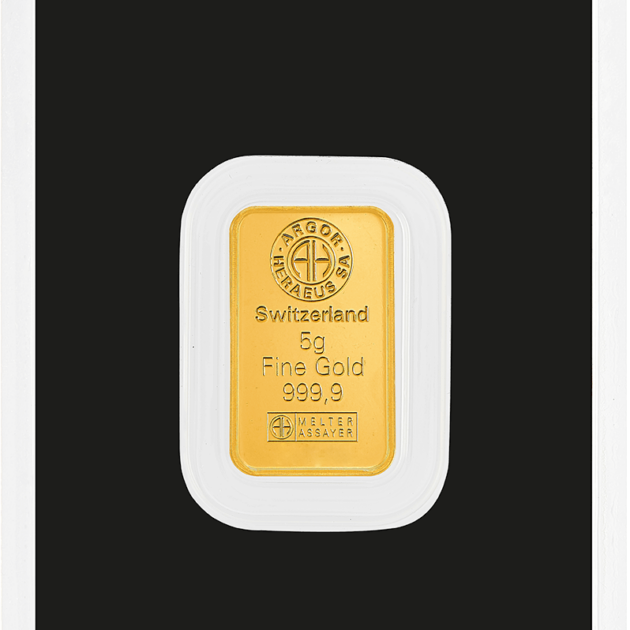
- Fine gold999.9
- Weight5 grams
- ProducerArgor-Heraeus
-
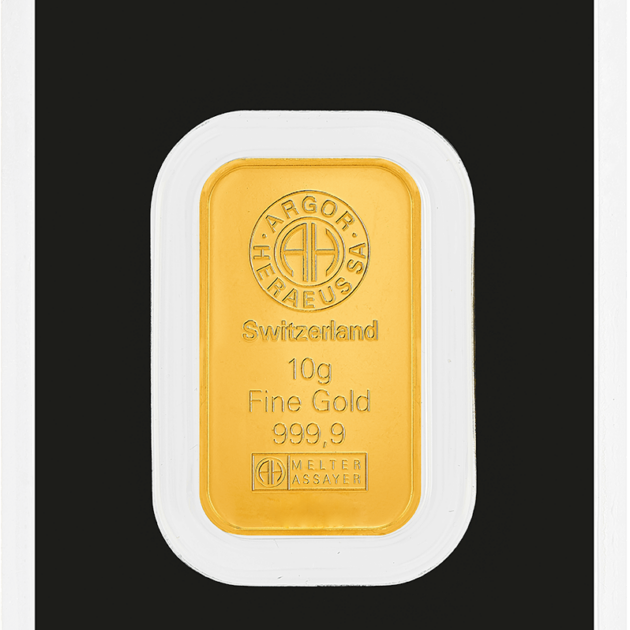
- Fine gold999.9
- Weight10 grams
- ProducerArgor-Heraeus
-
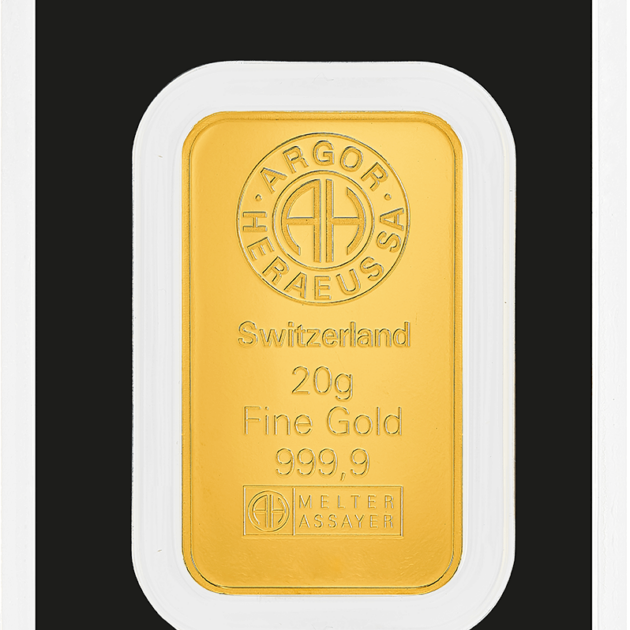
- Fine gold999.9
- Weight20 grams
- ProducerArgor-Heraeus
-
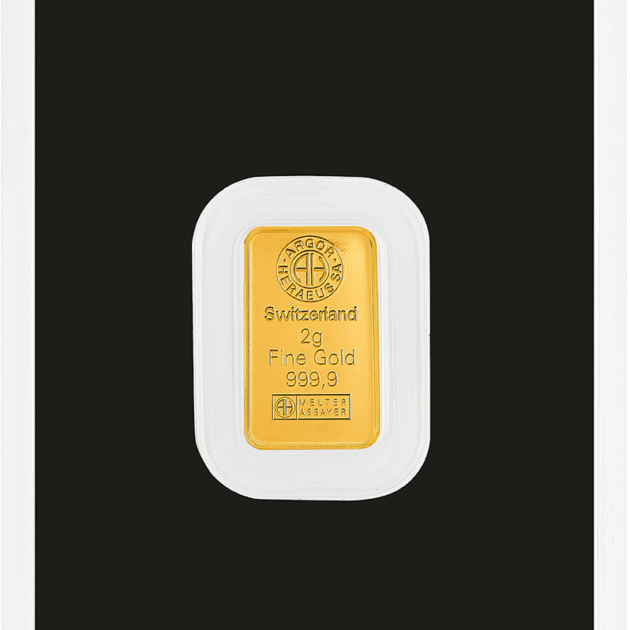
- Fine gold999.9
- Weight2 grams
- ProducerArgor-Heraeus
-
- Fine gold999.9
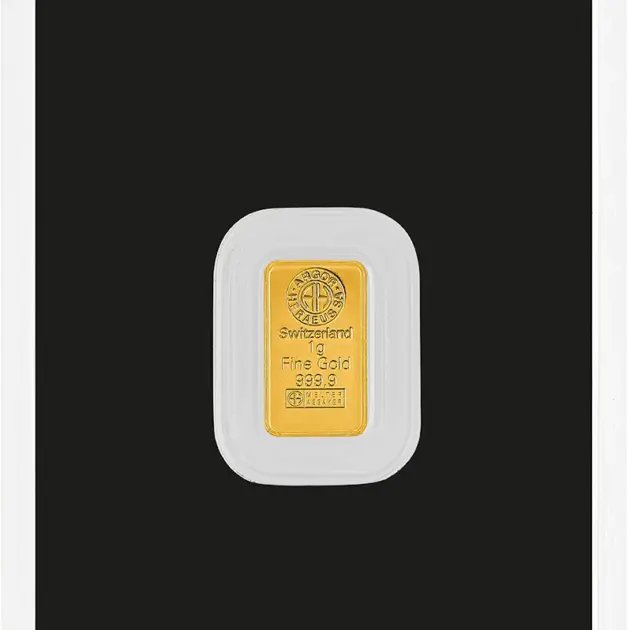
- Weight1 gram
- ProducerArgor-Heraeus
The gold price chart for 2020 rose from approximately 1,510 dollars to 2,070 dollars at the beginning of August. By the end of the year, it fell below the psychological level of 2,000 dollars and remained below it until 2022.
In this section, you can review the course and development of the gold price in 2020, not only in US dollars but also in Czech koruna. This will allow you to form a clearer picture of what return you could achieve today from investing in gold during that year and how gold performed in CZK terms during this challenging period.
Let us now look at the key monthly trends:
January and February represented gradual market growth.
March brought a temporary drop to 1,450 dollars per troy ounce.
April to July showed a sustained bullish trend following the outbreak of the pandemic.
August set the then historical maximum at approximately 2,070 dollars.
September to November brought a gradual correction.
December closed the year at around 1,890 dollars.
Let us now describe the individual periods in more detail.
January and February: gradual growth of the gold market
The beginning of the year was marked by growing nervousness due to reports of the spread of an unknown virus. The gold price was also supported by ongoing trade disputes. Investors therefore began to move their capital preventively into the safety of precious metals.
March: drop to 1,450 dollars per ounce
With the onset of the pandemic and widespread lockdowns, markets experienced an unprecedented shock. Panic broke out, and investors massively sold off all assets to obtain immediate liquidity. This strong selling pressure temporarily pushed the gold price down as well. However, the reversal came very quickly.
April to July: sustained bullish trend
Central banks led by the Fed intervened with broad interest rate cuts, and governments simultaneously announced massive stimulus programs. Fears of excessive debt and the threat of future inflation triggered a very sharp rise in precious metal prices.
August: historical maximum around 2,070 dollars
The combination of zero interest rates, a weakening dollar, and deep economic uncertainty culminated during the summer. Investment demand reached its peak. Gold for the first time — and quite easily — broke through the 2,000 dollar level and set a new price record at that time.
September to November: gradual correction
Autumn brought partial calming of panic and profit-taking. A turning point came in November when pharmaceutical companies announced effective COVID vaccines. The return of market optimism revived risk assets and reduced short-term demand for gold.
December: year-end around 1,890 dollars
The final month of the year brought renewed stabilization after autumn sell-offs. A weakening US dollar and additional promised stimulus packages provided gold with new support. The turbulent year full of uncertainty thus ended with the yellow metal safely closing still with significant gains.
Key Factors of 2020 on the Gold Chart
The year 2020 represented an extraordinary period for the gold market. The main driver was the coronavirus pandemic, which triggered panic and effectively froze the global economy. Investors immediately sought safety, which sharply increased demand for precious metals. Gold thus became a key store of value during a period of massive economic uncertainty.
A crucial role was also played by the massive response of central banks around the world. The US Federal Reserve reduced interest rates to zero and launched large-scale quantitative easing programs. Markets were flooded with cheap money, which raised justified concerns about currency devaluation and future inflation. Expectations of inflation and falling real interest rates made gold a highly attractive asset in which investors could safely store their wealth.
A specific impact on the local gold price was also exerted by the Czech National Bank. During the spring, it aggressively reduced the two-week repo rate from 2.25% to just 0.25%. The move was intended to support the domestic economy but led to a temporary sharp weakening of the Czech koruna against the dollar. As a result, for Czech investors gold became more expensive faster than globally — which, if they were invested, was certainly a positive outcome.
In addition, geopolitical tensions were extremely high and strongly contributed to market volatility. Events shaping the price at that time included:
escalated US–China trade relations,
uncertainty surrounding the US presidential elections,
and complex negotiations over the final form and impact of Brexit.
The combination of these events culminated at the beginning of August, when the US dollar weakened broadly and the gold price broke the historical 2,000 dollar level, rising to approximately 2,070 dollars per ounce.
By the end of the year, the situation partially stabilized and prices corrected. It was mainly the November news about the effectiveness of the first vaccines that restored investor optimism. Capital began to flow back into riskier assets, which resulted in a weakening of gold. Nevertheless, the precious metal maintained a very strong position and confirmed its role as a reliable hedge against crises and inflation.
Frequently Asked Questions – Gold Price in 2020
