
Gold Price Chart – 50 Years of Price Development
Fifty years is already a very long period of time, especially in the investment world. On this page, you will find a gold price chart for the last 50 years, along with key information about this period and a description of the events that took place during it.
Gold Price Chart – 50 Years in One Place
Gold price by weight
Gold price by year
Gold rate for the period
GOLDEN BULLS FOR PROFITABLE INVESTMENTS TODAY IN VIEW OF RISING PRICES
-
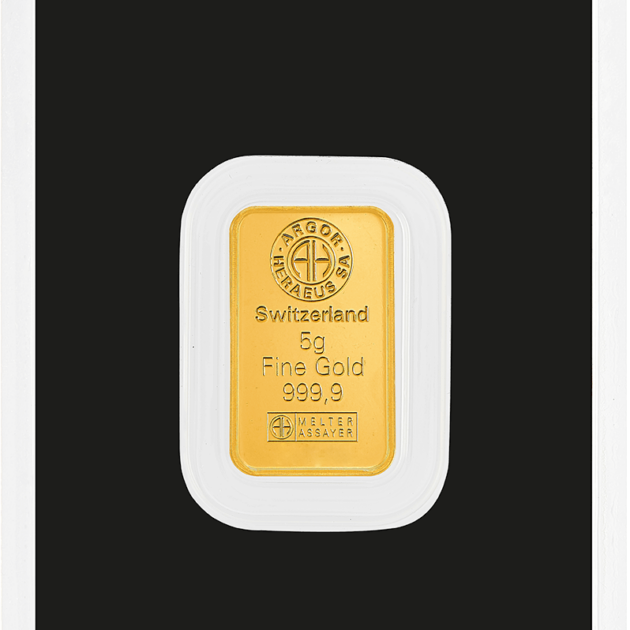
- Fine gold999.9
- Weight5 grams
- ProducerArgor-Heraeus
-
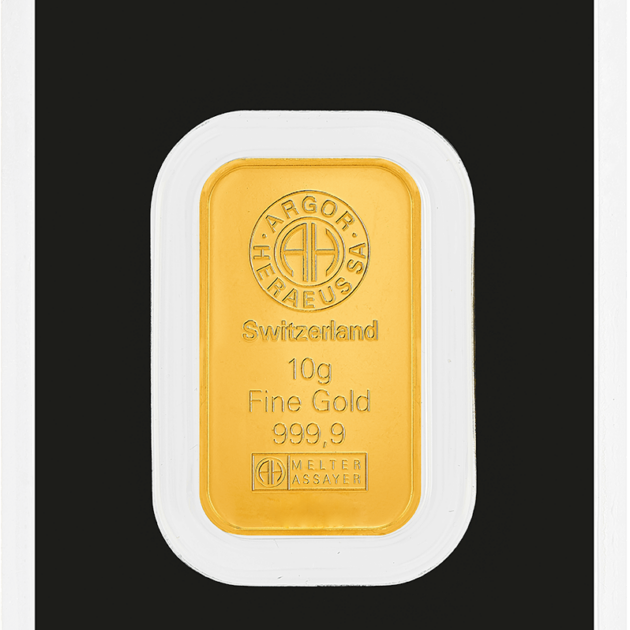
- Fine gold999.9
- Weight10 grams
- ProducerArgor-Heraeus
-
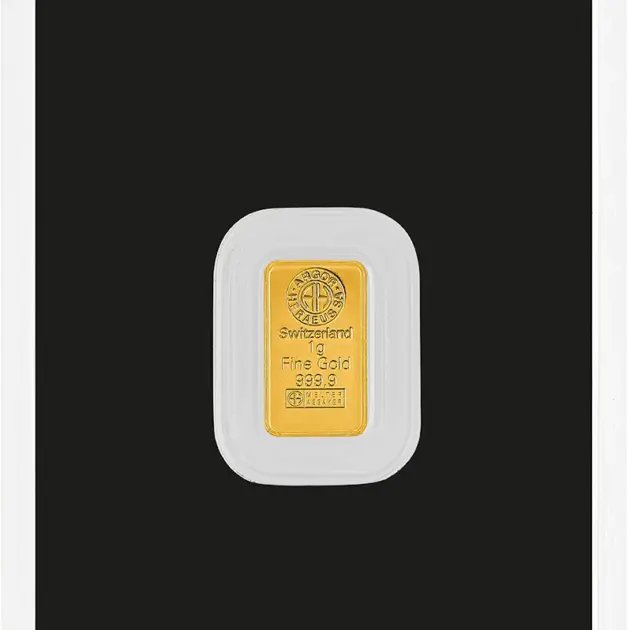
- Fine gold999.9
- Weight1 gram
- ProducerArgor-Heraeus
-
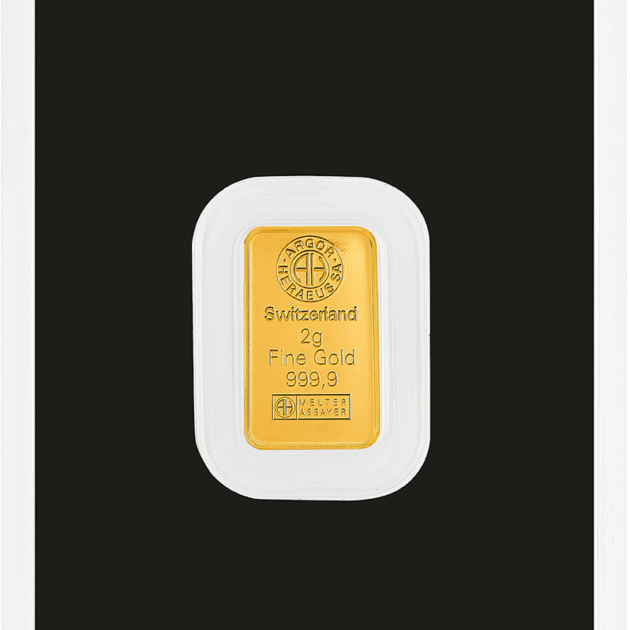
- Fine gold999.9
- Weight2 grams
- ProducerArgor-Heraeus
-
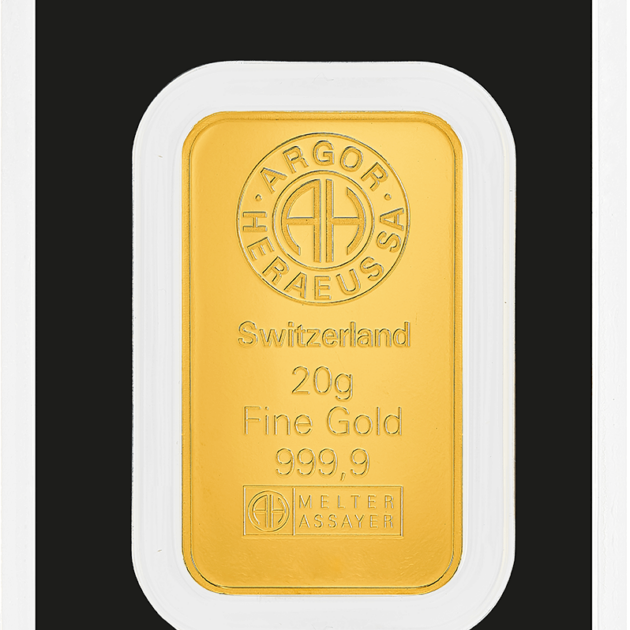
- Fine gold999.9
- Weight20 grams
- ProducerArgor-Heraeus
In this section, you will find a chart showing the development of gold prices over the past 50 years, which you can explore and interact with according to your preferences. Anyone considering an investment in gold should become familiar with it, as it allows learning from history and better preparation for future events and developments.
You can also switch the gold price into different currencies, such as Czech koruna, which is more relevant for Czech investors, and US dollars, in which gold is traded on global exchanges.
The 50-year gold price chart also shows how the price evolved across different years and events that occurred during this period. Let us briefly introduce them and then describe them in more detail in the following section.
1976: The Jamaica Agreement of the IMF formally ended the role of gold in the international monetary system.
1980: Extreme inflation and the Soviet invasion of Afghanistan brought the then price record.
1999: The Washington Agreement of central banks limited gold reserve sales and stabilized the market.
2008–2011: The financial crisis and subsequent quantitative easing triggered massive price growth.
2020: Economic panic caused by the COVID-19 pandemic pushed gold above 2,000 USD for the first time.
2022–2026: Geopolitical conflicts and record purchases by central banks anchored the price at historical highs.
Key Events on the Gold Chart – 50-Year History
Let us now take a closer look at each of these events. For each of them, we will describe in more detail what actually happened and how it influenced the price of gold.
1976: Jamaica Agreement and demonetization
In January 1976, members of the International Monetary Fund signed the so-called Jamaica Agreement, which formally ended the Bretton Woods system. Gold lost its official role in the international monetary system. The abolition of fixed exchange rates marked the beginning of an era in which the price of gold is determined purely by market supply and demand, resulting in significantly higher price volatility.
1980: Oil shocks and Soviet invasion
The end of the 1970s brought enormous economic instability — oil shocks pushed US inflation into double-digit levels. As a result, frightened investors began massively buying precious metals. This panic was further intensified by the Soviet invasion of Afghanistan. The combination of inflation and geopolitical fear pushed gold to an all-time high of 850 dollars per troy ounce at the beginning of 1980.
1999: Washington Agreement (CBGA)
During the 1990s, gold experienced a severe bear market. Western central banks were selling their gold reserves in an uncoordinated manner, pushing prices down. To prevent a collapse, 15 key European banks signed the Washington Agreement, committing to strictly limit gold sales to 400 tons per year. This regulation immediately stabilized the market.
2008–2011: Financial crisis and money printing
The collapse of Lehman Brothers triggered a severe global financial crisis. The crash of stock markets led investors to massively shift into physical gold. Central banks then launched aggressive quantitative easing, resulting in large-scale money creation. Zero interest rates raised fears of currency devaluation, which pushed gold prices above 1,900 dollars.
2020: COVID-19 pandemic and lockdowns
The outbreak of the global coronavirus pandemic completely paralyzed the world economy. Lockdowns and disrupted supply chains created enormous uncertainty, prompting central banks to inject trillions of dollars into economies. This extreme liquidity and the fall in real interest rates pushed gold above the psychological level of 2,000 dollars for the first time in August 2020.
2022–2026: War in Ukraine and dedollarization
The Russian invasion of Ukraine and the imposition of sanctions reshaped the global financial order. The freezing of Russian reserves sent a warning signal to developing countries. BRICS countries subsequently began large-scale dedollarization, with central banks — including the Czech National Bank — accumulating physical gold at a record pace as a neutral reserve asset.
These institutional purchases firmly anchored the gold price at historical highs, currently around 5,500 dollars per ounce. Over the past 50 years, gold has thus once again confirmed that it is the number one safe haven asset for investors.
Trend Analysis and Conclusions for Investors
Gold has long served as a protector of wealth during periods when traditional financial markets, such as stocks and bonds, perform poorly. In simple terms, it performs well when uncertainty or unfavorable macroeconomic conditions dominate.
Determining the exact return in Czech koruna over the last 50 years is relatively complex. However, based on adjusted historical data, the average annual return of gold investment in CZK is estimated to be approximately 7% to 9%.
In recent years, however, the situation has been significantly different. It is not possible to rely on the assumption that this rapid growth in gold prices will continue indefinitely. Therefore, diversification of your investment portfolio should always be considered.
If we compare gold with other assets over the past 50 years, such as the S&P 500 index, gold has increased in value by approximately +3,611%, while the index has grown by about +6,450%. The difference is mainly due to the strong performance of US companies and the different purposes and risk profiles of these investments.
When comparing, it is important to note that gold does not generate any yield, unlike stocks that pay dividends or bonds that provide interest. On the other hand, during downturns, crises, or periods of high inflation, gold is highly effective in protecting investors’ wealth and tends to increase in value. It serves as an excellent hedge against unfavorable market developments.
In recent years, the chart also shows that gold is beginning to rapidly catch up with the returns of the S&P 500. If uncertainty continues to dominate, further price growth can be expected.
Frequently Asked Questions – Gold Price Chart 50 Years
